


RICK SHABI MEMORIAL
LESSONS FROM THE HOSPITAL
(February 2, 1954 -August 13, 2025)
Originally created to host my personal projects—and something my father, Rick Shabi, was excited to see grow—Your Living Word has now expanded to protect and preserve his full legacy. Here, I am building a permanent, searchable, expanding archive of his complete sermons, Bible studies, and writings.
Below you will find my original tribute, The Original Tribute: Lessons from the Hospital, alongside a link to the virtual memorial board where memories and comments can still be shared. In addition, One Year Testimony: Keeping A Promise stands permanently to honor my father’s true character, conviction and experiences.
A memorial slideshow celebrating his life is also included below with pictures
submitted by brethren and friends thus far.

"So let go my soul and trust in Him" - Photo submitted by Kari (daughter-in-law)

Loved Always as "Grandpa" and "Dad" - Submitted by Katie (daughter)

Photo taken by my father at the last Feast we kept together in 2024 (Estes Park, Colorado) - Submitted by Patrick (son)
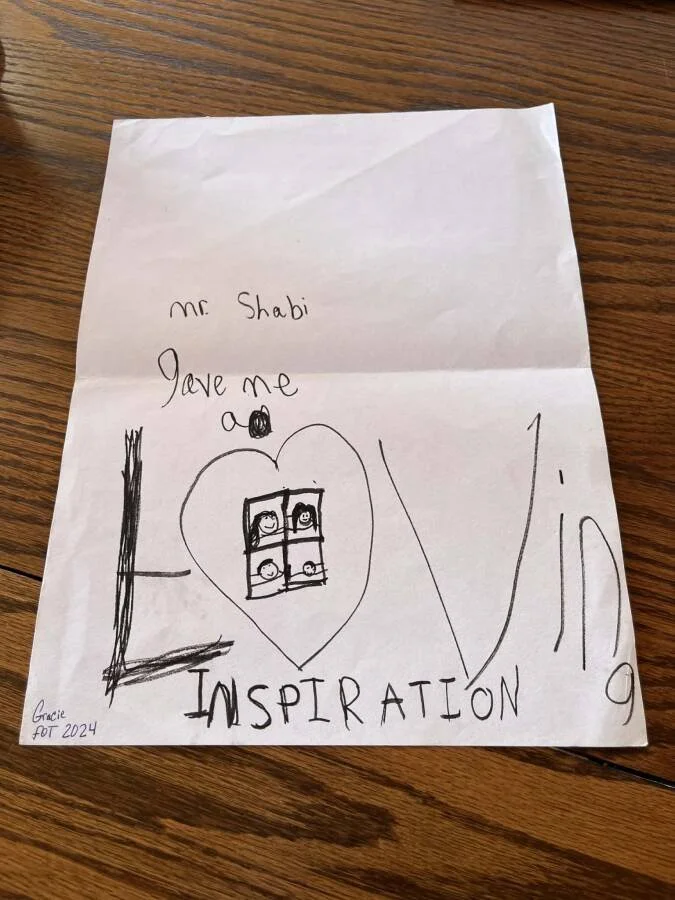
"Inspiration" - Submitted by Gracie
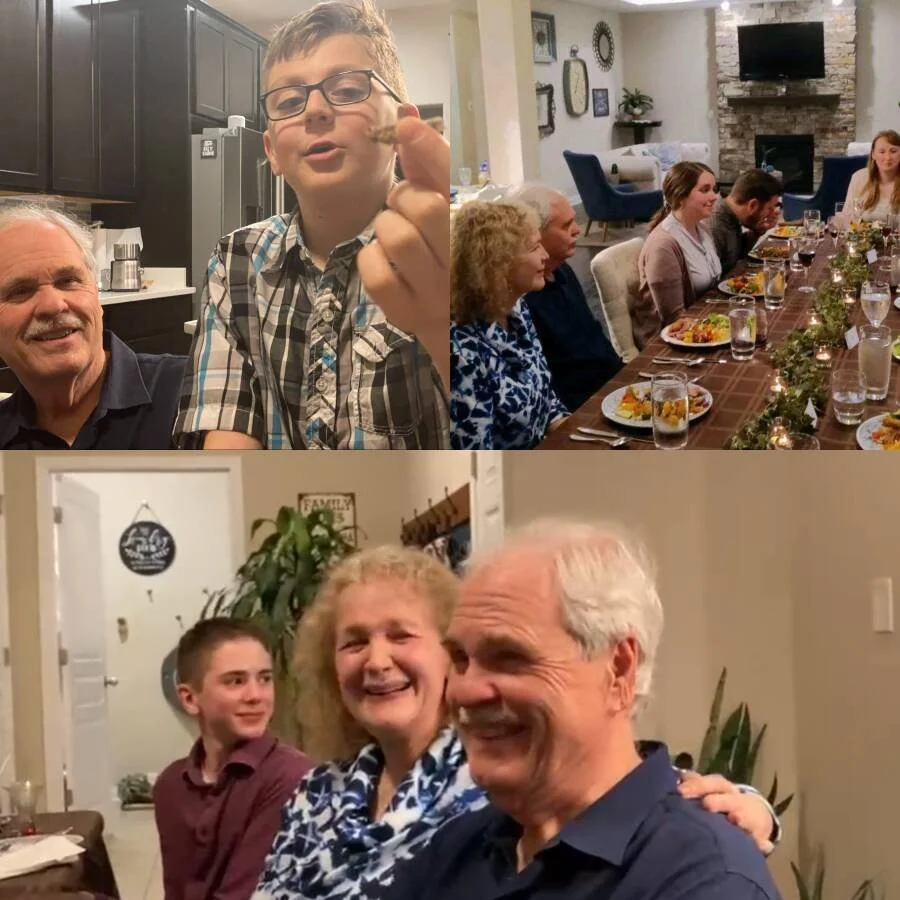
The Night to be Much Observed - Submitted by Scott
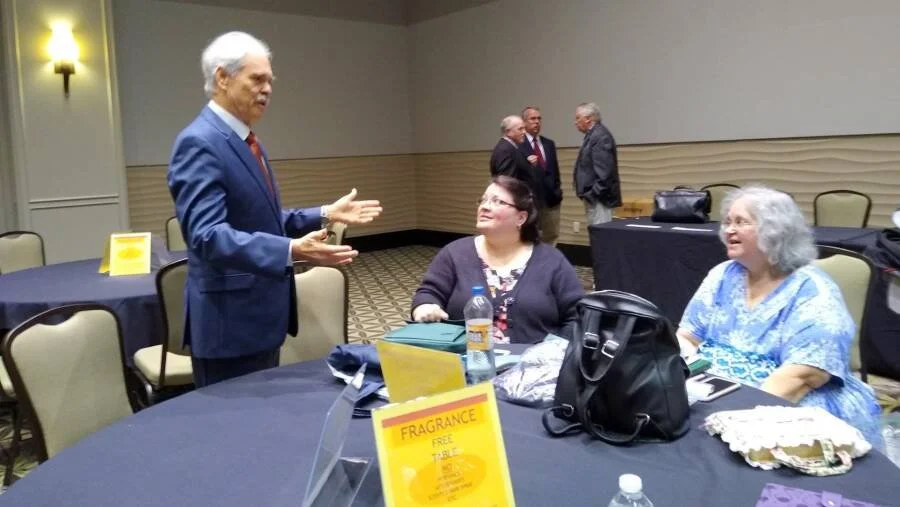
2019 Jekyll Island Feast of Tabernacles - Submitted by Laura
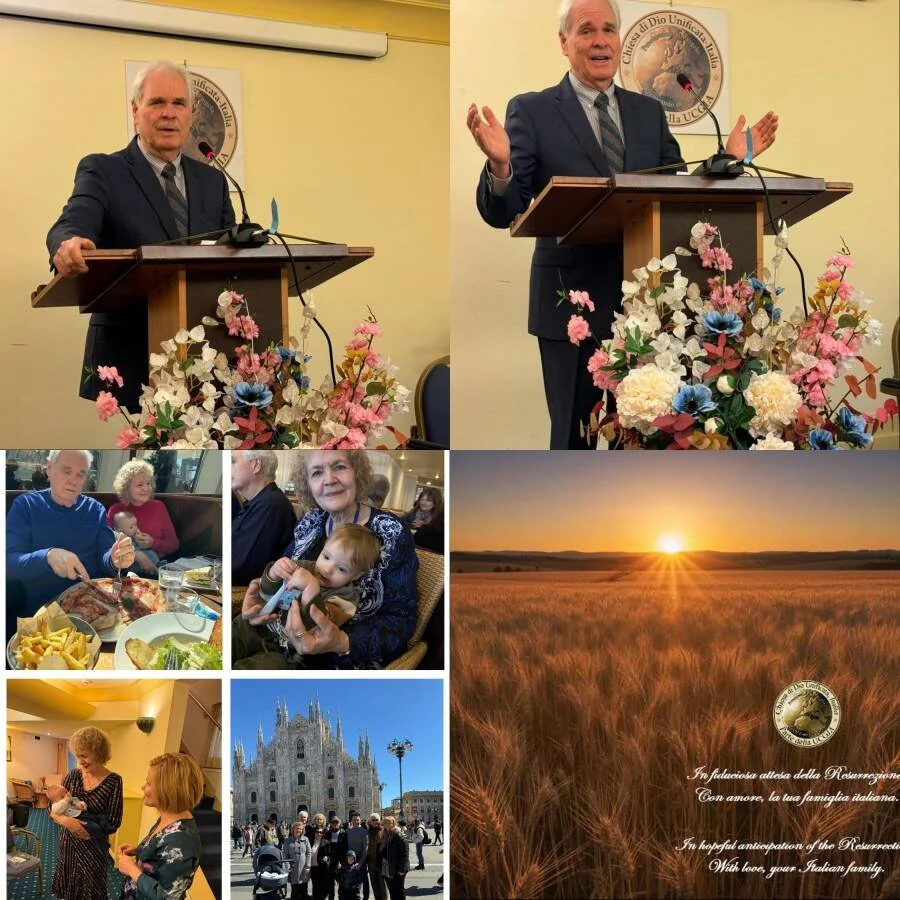
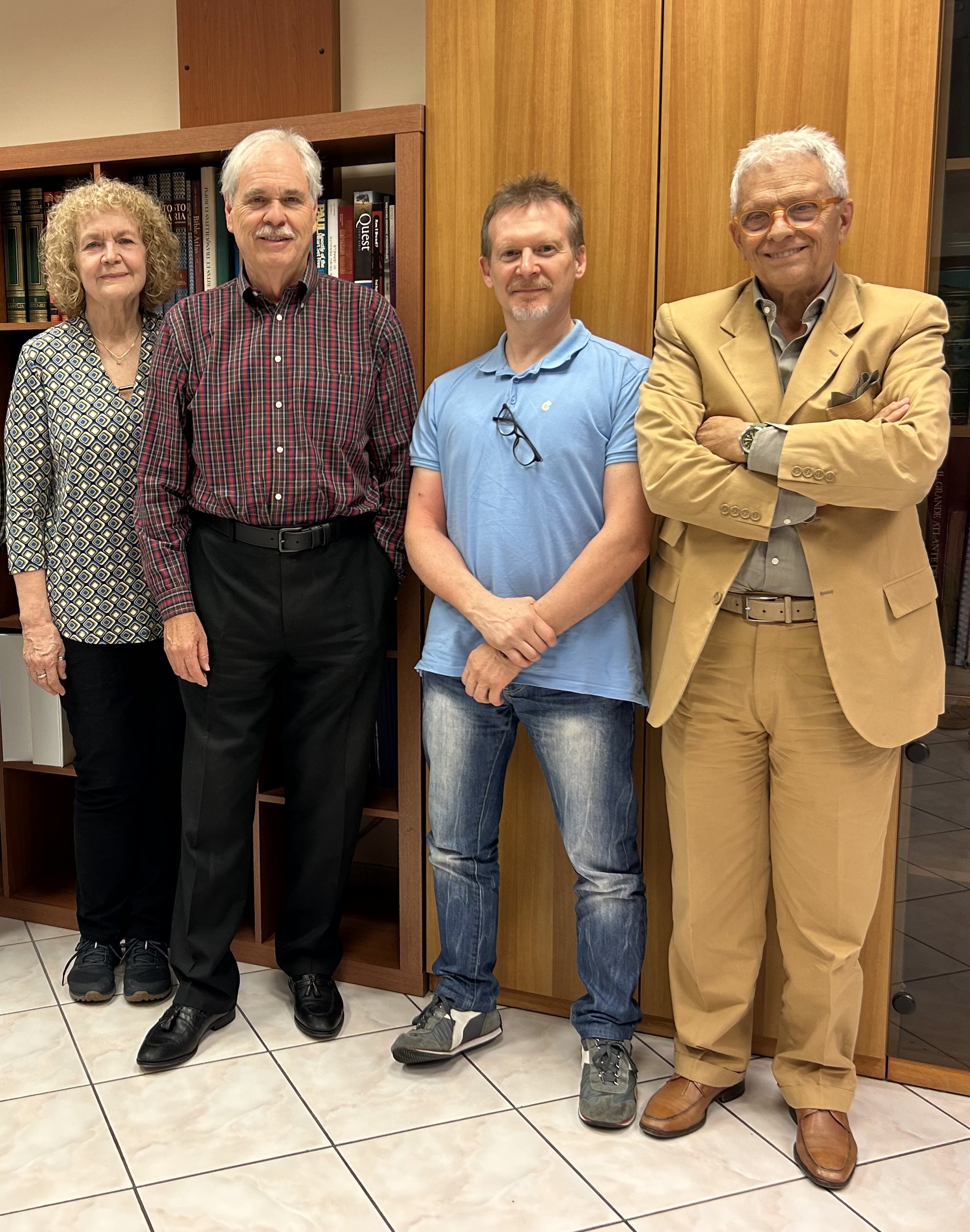
"Lest not we forget Rick Shabi - A man after God's own heart" - Photos submitted by the UCG Italian brethren
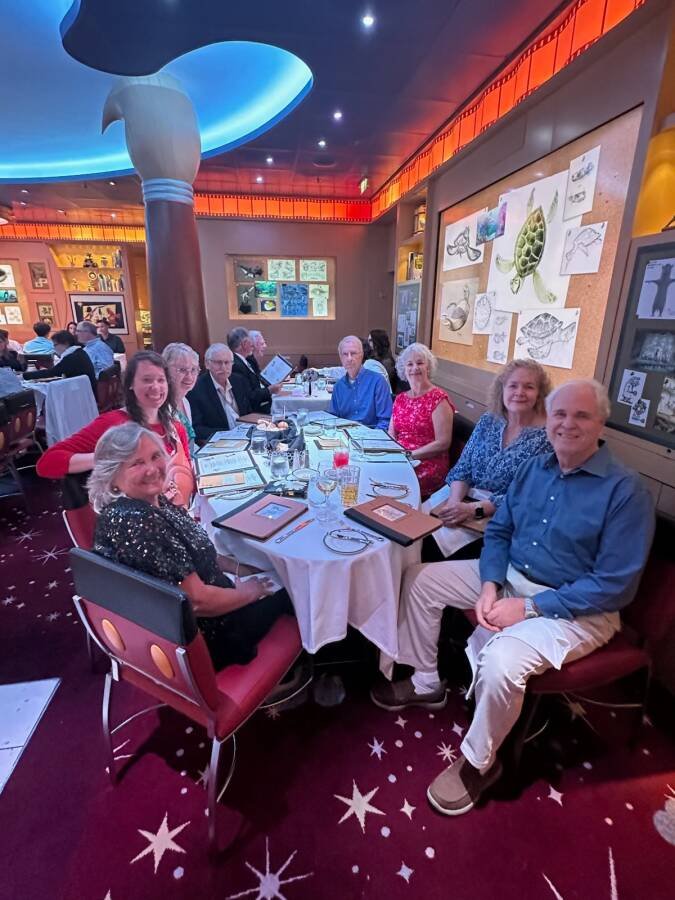
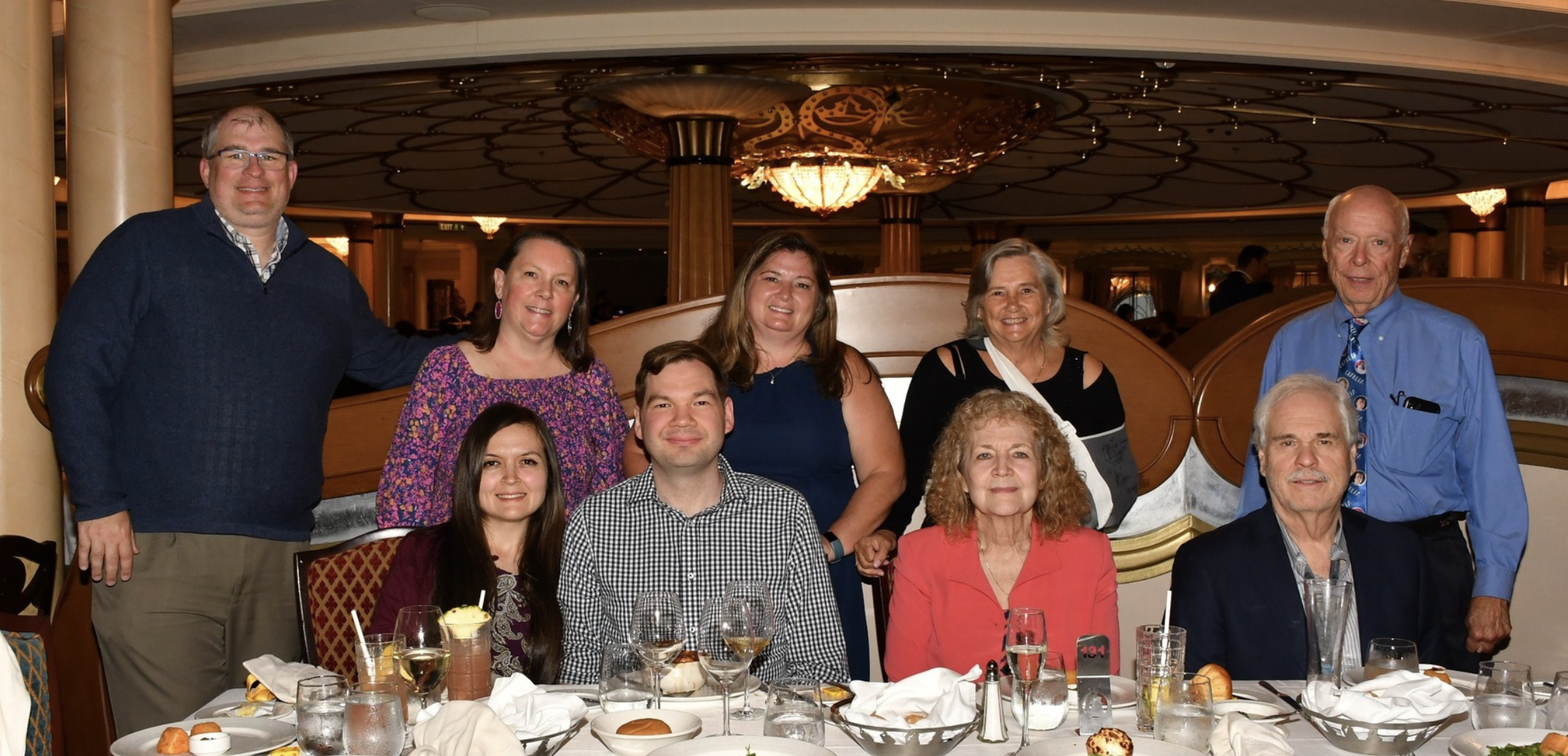
Group photo from the last cruise together - Submitted by Tammy

The fondest memories of Rick Shabi - Submitted by Tricia and Bert

Photos from visiting brethren in South Africa - Submitted by Gloria Phiri
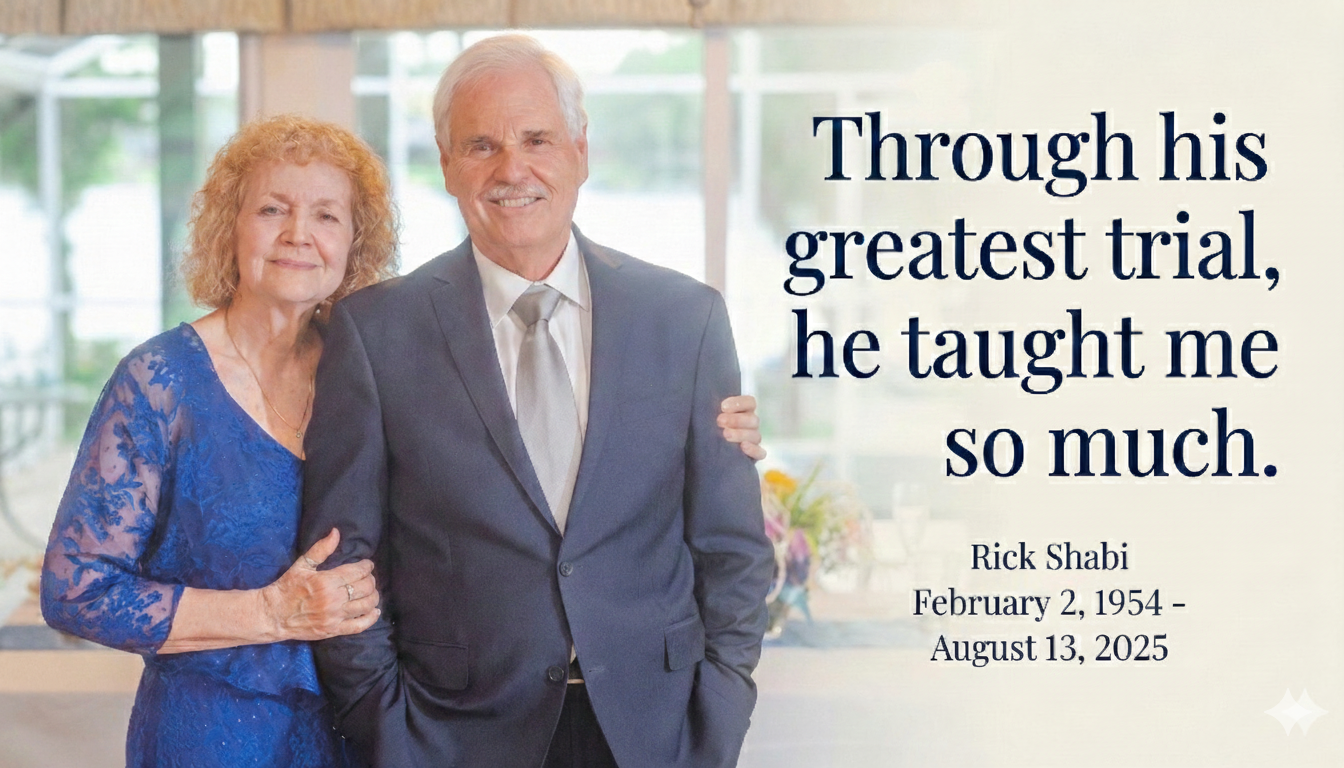
More Than a Pastor
—Simply "Dad”
Over the past few months, many of you have reached out asking whether there would be a memorial service for my dad. We gave that a lot of thought, and it wasn’t an easy decision.
My dad, Rick Shabi, was many things to many people—a pastor, leader, and friend. But to us, he was simply “Dad.” He was a loving husband to my mom, a devoted father to four children—Eric, Kristin, Katie, and myself—and a proud grandfather to three grandchildren. He loved his family deeply, and that love guided everything he did—at home, in the church, and in every relationship he built.
Many of you knew my dad as the man who spoke about agape love and unity in his sermons. But those weren’t just words to him, but were principles he lived by every day. He genuinely sought to bring people together through God’s love, not only in what he preached, but in how he lived and treated others.
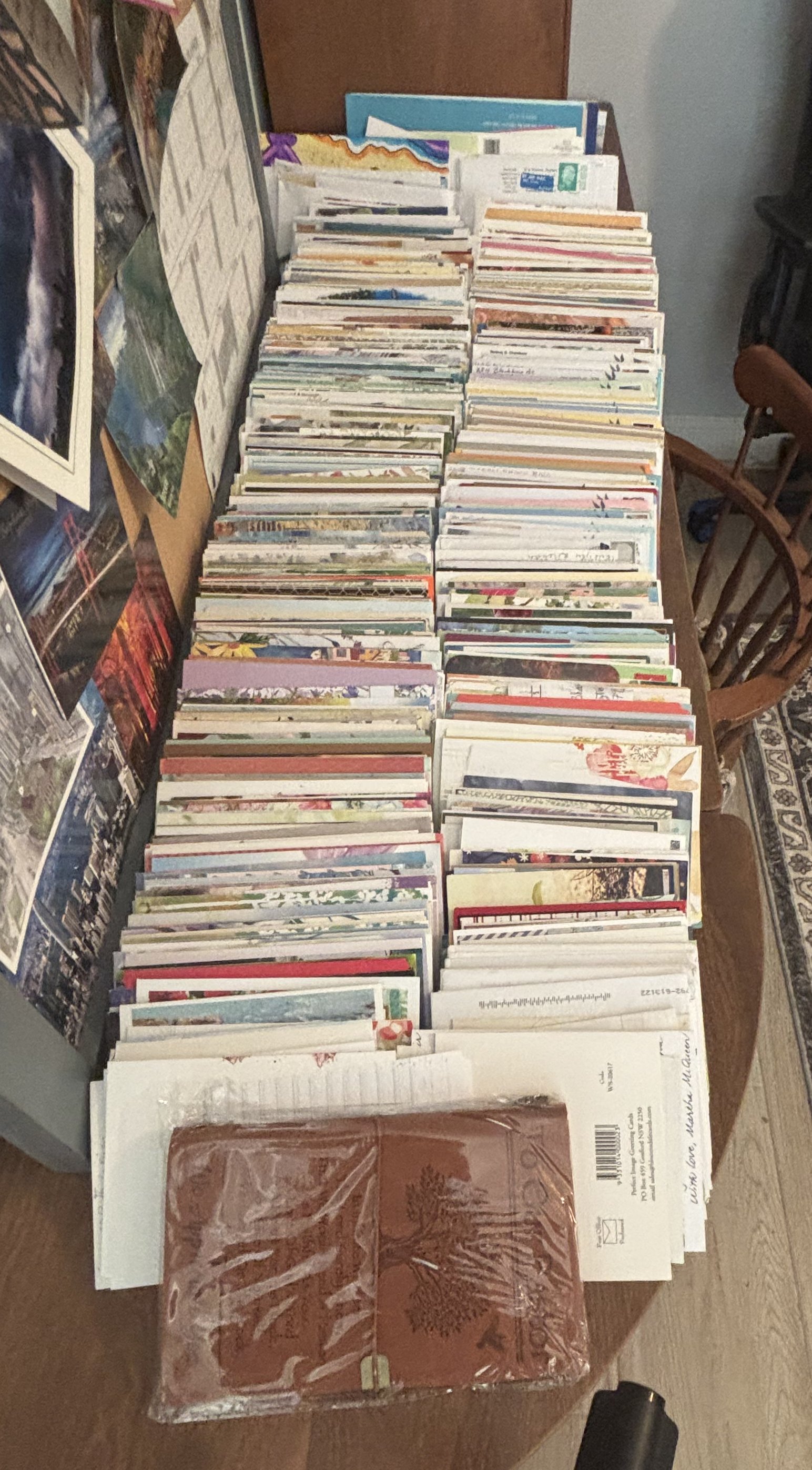
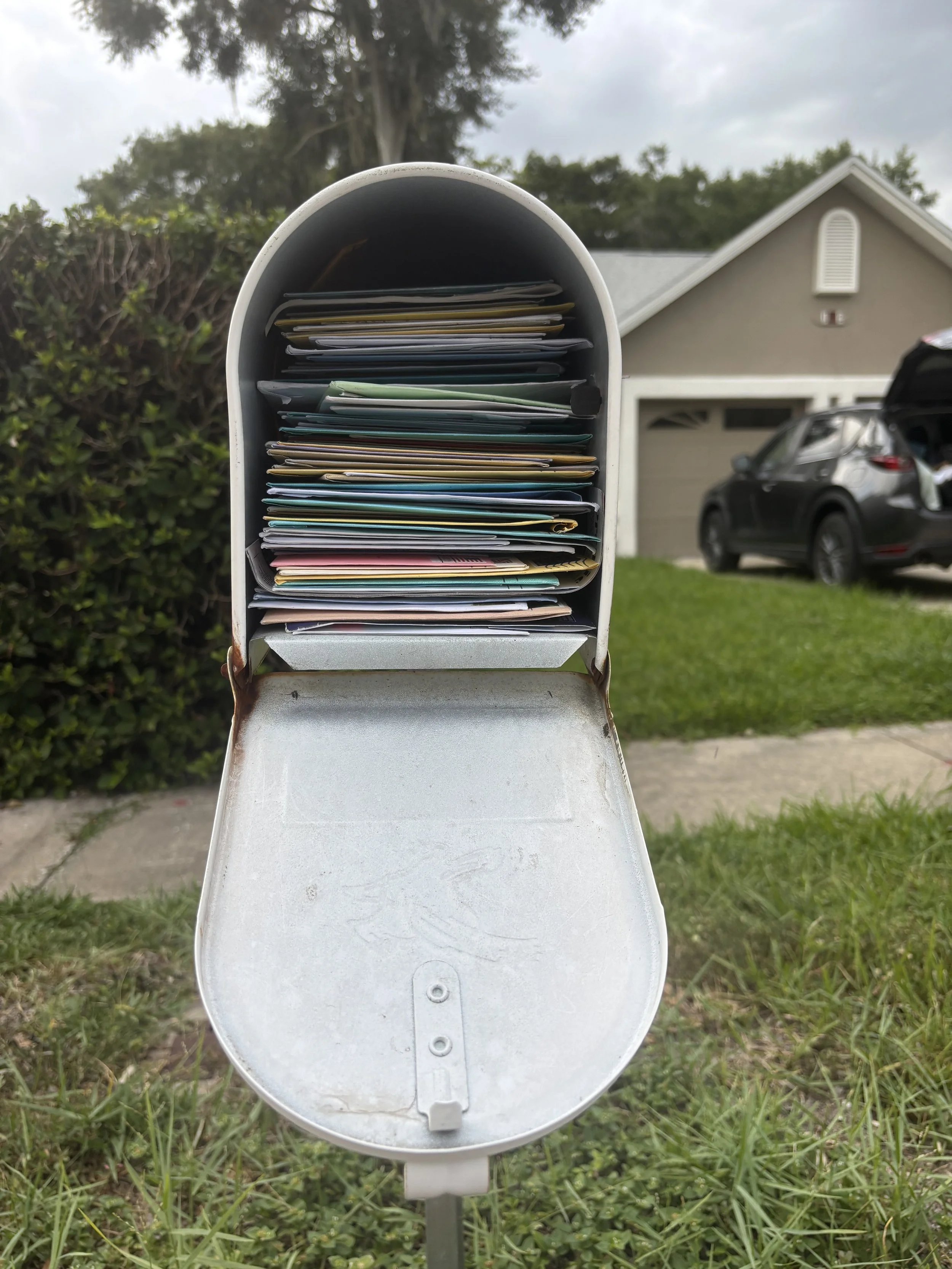
When he was in the hospital, cards and messages of encouragement came in from all over the world , and afterward, even more condolence notes arrived from different countries and Churches of God organizations. It was incredibly moving to see how far his love and leadership had reached—far beyond any single congregation.
During that time, my mom actually got to know the mailman quite well. He told her that everyone at the post office had been talking about all the mail going to her address. They didn’t know who “Rick Shabi” was, but they figured he must be someone important. And in a way, he was—not because of a title or position, but because of the way he genuinely cared for people and touched their lives. That example alone speaks volumes about the kind of connection he built with so many.
Why We Are Meeting Here
So, on behalf of my mom, and all of us—thank you. Thank you for every card, every message, every gift, and every word of encouragement you sent, both while my dad was in the hospital and afterward.
I shared that story earlier to help explain why we struggled to handle a memorial service for my dad. As we went through those cards and messages, we realized just how many lives my dad had impacted, and we wanted to give everyone who loved him a way to share their own memories, too. That’s what led to the idea of a virtual memorial board, a place where anyone, anywhere in the world, can post a message, memory, or reflection about how my dad touched their life. It felt fitting, since his influence was never limited by geography or organization.
Reading those messages reminded me that his life’s work wasn’t just about preaching, but was about living God’s way every single day and helping others to do the same. My dad devoted his life to God, my mom, his family, the church, and, for the last fifteen years of his life, to serving as a pastor preaching God’s Word. Being a pastor was where he truly felt called. It was his passion and something you could tell that he genuinely loved to do.
It’s still hard to think about how that same love—his deep desire to return to pastoring once he came back to Florida, something he was really looking forward to—ended up being turned against him and caused him so much stress and heartache near the end. But even through that, his commitment to God never wavered. He stayed faithful to the work and the calling that defined his life.
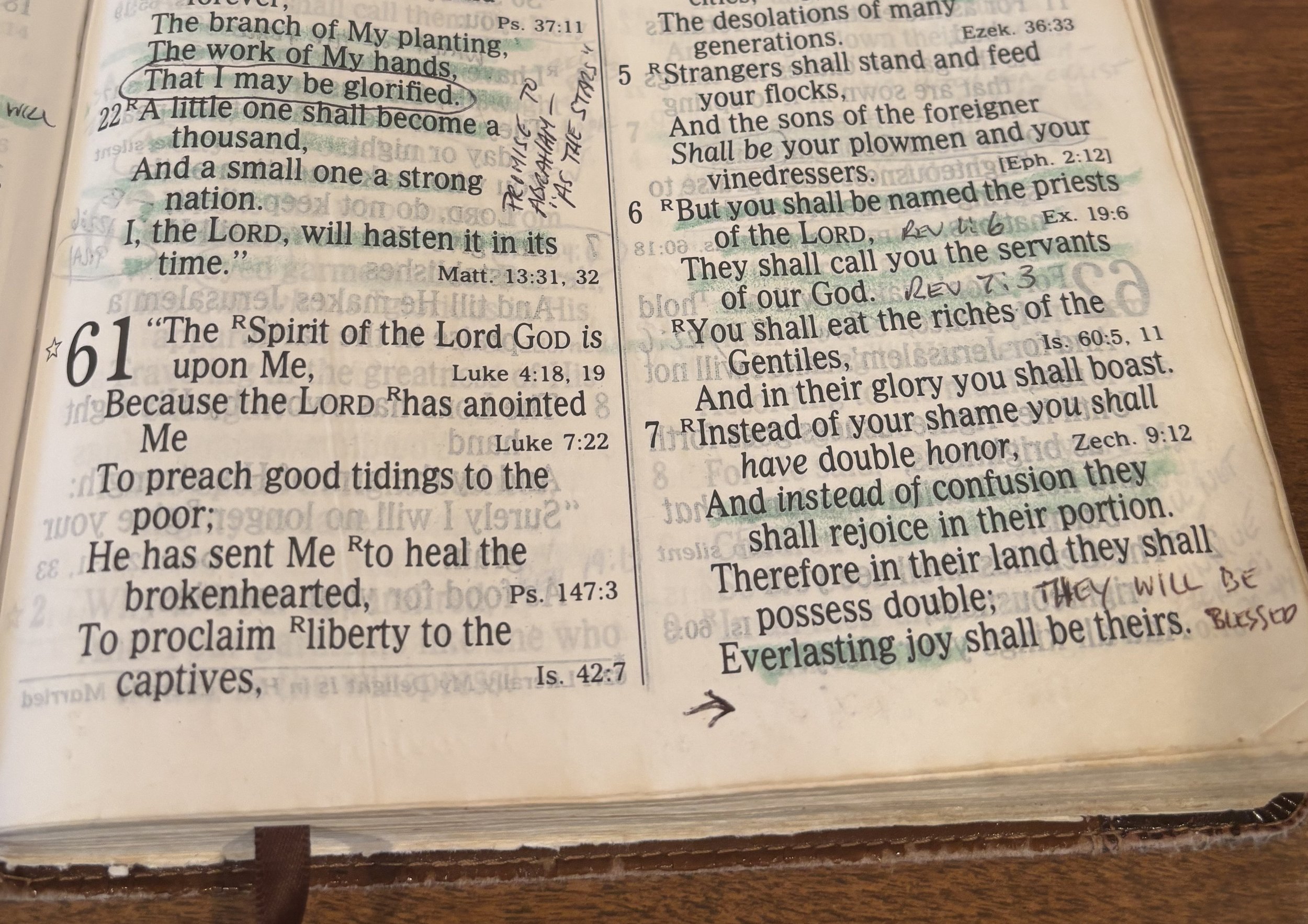
Quiet, Steady Authenticity"
And that’s what I really want this tribute to focus on—the work my dad did and the example he left behind for all of us. I also know that my dad touched the lives of many people outside the Churches of God. If you’re one of them, we encourage you to share a memory or something he taught you.
I have so many fond memories of my dad . Those are moments that I’ll carry with me for the rest of my life. A few stand out.
· Watching football together — He loved the Jacksonville Jaguars, and he’d get so animated during the games, talking loudly at the TV when they inevitably found a way to lose. My wife always found it funny because it was such a different side of him. But I think what he really loved wasn’t the game. It was spending that time with me. Those were our moments of connection, and I miss them deeply. Now, watching a game just doesn’t feel the same. The games (and world) go on, but something’s missing and it's him.
· His joy in God’s days — He loved the Sabbath and Holy Days. No matter the weather, he’d find something to praise God for whether it be sunshine or rain. Sometimes he’d just stand outside quietly taking in the day with a peaceful smile that said it all. And every year at the Feast of Tabernacles, he’d look up at the full moon and say, “This is how we know it’s time to keep the Feast.”
We’ve heard some people say that they thought my dad talked about God too much. I never felt that way. He did talk about God a lot, but you could always tell it was genuine. I loved that God was always on his mind. You could tell that what he said wasn’t just something he believed intellectually but was because of how he lived every single day. God wasn’t just part of his conversations, but He was part of his life. That’s what made my dad’s example so powerful to me. He didn’t just speak about faith, but lived it with humility, consistency, and love. And that’s what I’ll always remember most about him—his quiet, steady authenticity in everything he did.

The Events of July 19th -
The Drawing of the Evening
We know many of you probably have similar memories like that about him and please share those. But what I really want to share today are the lessons my dad taught me, especially the ones I learned during his last days while he was in the hospital.
We’ve heard a few different versions of what happened with my dad, so I’ll give a brief overview to provide some background and that’ll also help explain some of the lessons I learned afterward.
On July 19, my dad was giving a sermon in Jacksonville, FL. Near the end, he began feeling lightheaded and unwell. He sat down, and things quickly worsened, so an ambulance was called. At the hospital, the doctors discovered he’d had a major heart attack caused by a complete blockage of the main artery. From that point on, his condition went up and down. Some days the doctors were hopeful, and other days they weren’t sure he’d make it through the night. That cycle continued for about three weeks. Eventually, it became clear that nothing more could be done medically. It was then that my dad made the decision to stop treatment and place everything fully in God’s hands, and to let His will be done one way or the other.
A Different Kind of Healing
When I first heard about my dad's heart attack, learned more about the severity of it, and that he survived it, I thought for sure God was working a miracle. Honestly, I couldn’t see another option for all of this happening. Why would God bring him through so much only to allow him to die in the end? But as time passed, I began to see something deeper. Maybe God wasn’t working a physical miracle—maybe He was teaching something spiritual. Lessons my dad, my family, and all of us could learn from, lessons that might not have been possible any other way.
One of those lessons came from a conversation we had the Thursday before his heart attack. We talked about agape love, a theme he so often preached about, but more importantly, lived by. He explained that he was beginning to see that agape love should begin in the outward, physical sense as many of the fruits of the spirit should begin, but that its ultimate purpose is spiritual. That spiritual agape is about asking ourselves, what can I can do to help this person understand God’s truth, draw them closer to Him, and give them the best opportunity to be in His Kingdom, even if it’s uncomfortable for us. Of course, it’s ultimately Jesus Christ’s sacrifice and our faith and hope that we have in Him that allows us that opportunity, but there are certainly things that all of us do to each other which can really affect that. I would say that I’ve seen that clearer than I ever had in the time since my dad died.


The Ultimate Definition of Agape Love
That conversation stayed with me, especially in those final weeks. My dad brought up that conversation again while in the hospital near the end of his life. He told me to remember that conversation and those words, keep them with me, and remember it in everything that I do. Later, in the hospital, when I saw him in more pain than usual, I told him he should take some medication to help with that since I hated seeing him suffer like that. He looked at me and said something I’ll never forget:
“I would gladly suffer like this for as long as I need to, if it meant someone coming to God, repenting, and being in God’s Kingdom.”
That one sentence summed up who my dad was—a servant who loved God and others more than himself. Even in pain, his thoughts were never about himself, but they were about helping others find truth and salvation. In the last couple of years of his life, that often meant a different kind of pain and stress—not physical, but emotional and spiritual. Even then, I saw how he continued striving with all his heart to keep God at the center of everything he did. He didn’t just think about God once or twice a week, but truly lived it every day—in every decision, every conversation, and every act of service. Of course, my dad wasn’t perfect, none of us are, and he had to learn many lessons over the course of his life. He faced trials, he overcame challenges and sin, and he grew through them. But as I look back on the twilight of his life, I see a man who truly embodied the two great commandments:
“You shall love the Lord your God with all your heart, with all your soul, and with all your mind. This is the first and great commandment. And the second is like it: You shall love your neighbor as yourself.”
Even in his life’s most difficult moments, when I’m sure he had questions and was facing his own struggles, his thoughts were still focused on God—and on others. That’s who he was, right up until the end.
The Humility of a Leader
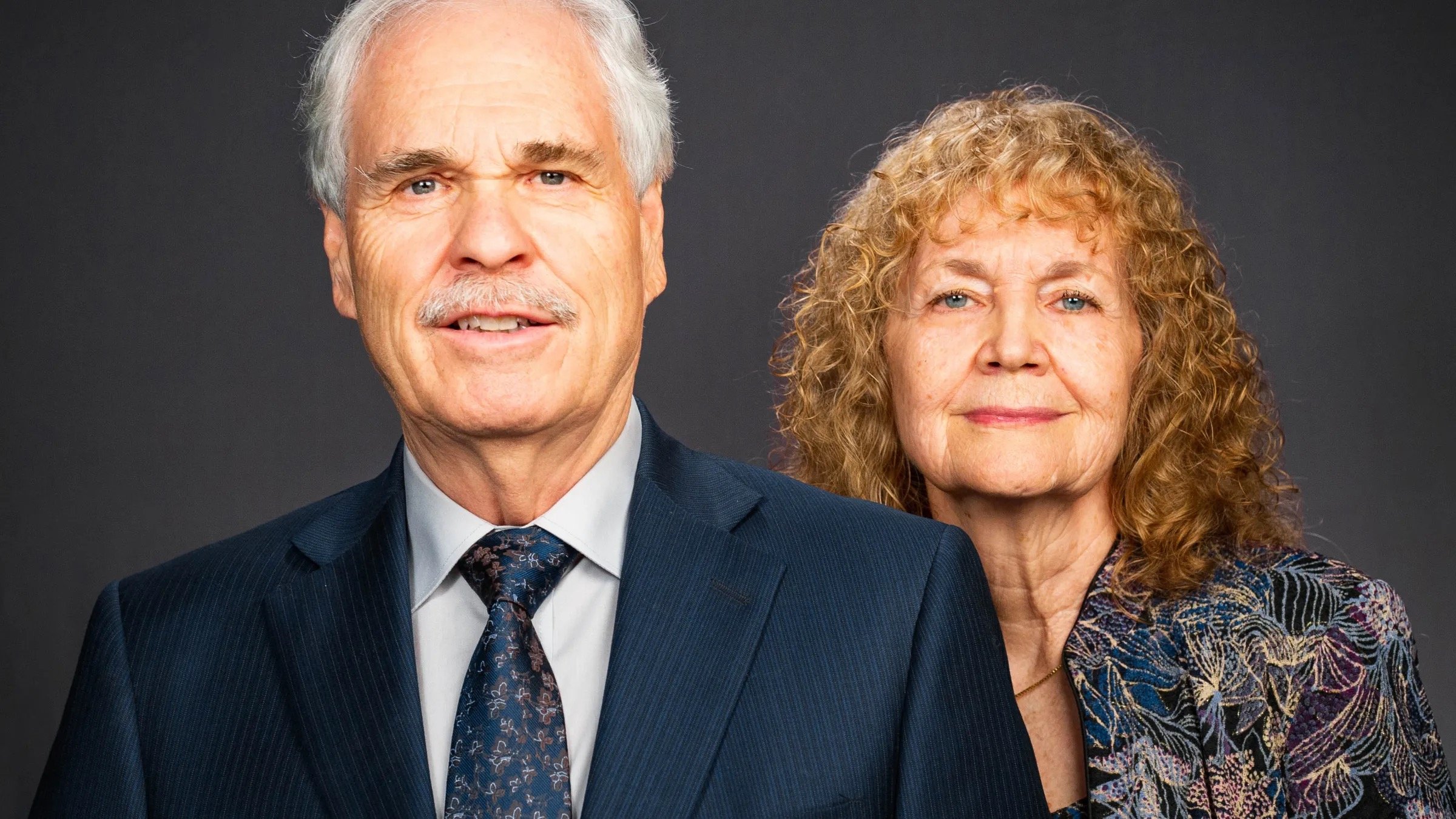
Many of you have shared in your cards, and personally with me through conversations, how much you appreciated that my dad would just listen. Even if he disagreed, he’d still hear you out. Sometimes he’d even change his mind. And if he didn’t, he wouldn’t hold it against you, but he’d just move forward. For someone in his position, serving as President of the Church, that kind of humility and openness is rare. Yet that’s exactly who he was—humble, approachable, loving, and always willing to learn. And that wasn’t something that changed when he became President, but it was who he had always been.
That same humility showed itself in the hospital, too. When it became clear that he wasn’t going to survive, I was upset. But every time I spoke with him, something unexpected happened, I felt calm, because he was calm. My mom, my siblings, and my wife all said the same thing. He was completely at peace. He believed God’s promises and trusted His will without hesitation. Even the nurses noticed. They said they had never seen someone so peaceful in those circumstances. When they found out he was a pastor, it made sense to them, but even then, they said there was something different about him. Many people say they accept God’s will, but when it’s time to face it, they fight against it and do whatever it takes to survive. My dad didn’t. He knew God’s promises were sure, and he rested in them. And everyone around him could see it—the hospital staff, my mom, all of us. The hope that was in him wasn’t hidden. It was visible and real.
The Lesson of the
Olive Press
I’ve thought about that example a lot since then, how in that moment, what looked like weakness was God revealing His strength. It reminded me of Paul’s words in 2 Corinthians 12:9, when God said, “My grace is sufficient for you, for My strength is made perfect in weakness.” I don’t think I ever fully understood what Paul was trying to convey in that verse until those final days in the hospital. Even as my dad’s body grew weaker, God’s Spirit in him seemed to grow stronger. Through his calmness, faith, and peace, God’s power was clearly on display because my dad’s trust was fully in Him.
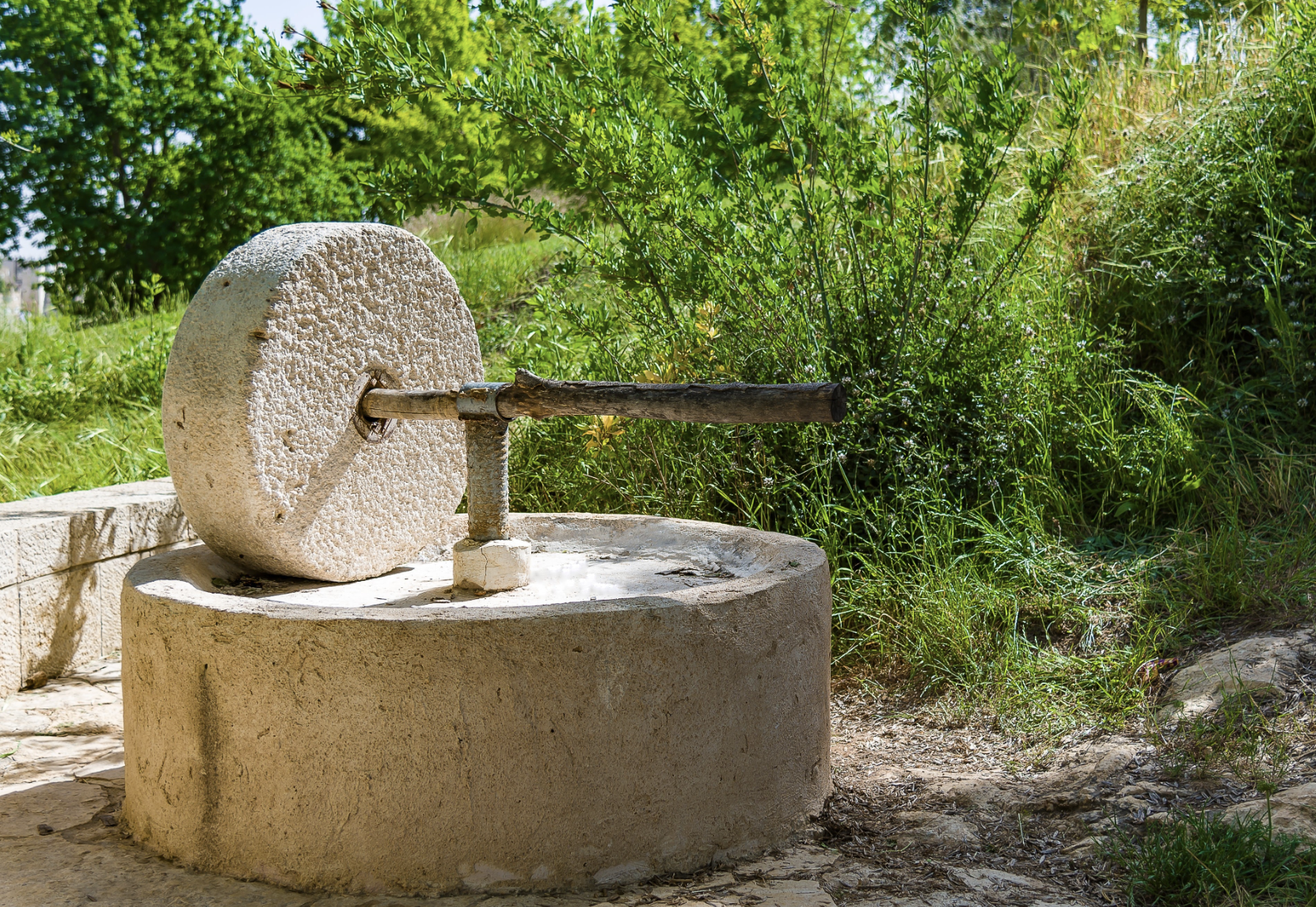
That experience made me start seeing trials differently, not as moments of defeat, but as moments where God refines us. It brought to mind the Sabbath morning of my dad’s heart attack. I was watching a video online about how olive oil is made, how the olives are crushed and pressed to release the oil. The process is slow and intense, and yet, out of all that pressure, something pure and valuable emerges.
Scripture often compares God’s people to olive trees, and God’s Spirit to olive oil. That imagery means something deeper to me now. Just as olives must be pressed for the oil to flow, so are we also pressed in life—through trials, stress, and pain—so that God’s Spirit and character can be refined in us.
My dad went through his own times of pressing long before his time in the hospital. Those final weeks were simply the culmination of that process. I won’t go into specifics, but for years he endured tremendous pressure—spiritually, emotionally, and eventually physically—yet through it all, he never lost faith, never turned bitter, and never gave up. Even through all of that stress and heartache he endured, he let the pressing shape him into the man God wanted him to be.
And now, since his passing, I’ve felt that same pressing in my own life. Grief, reflection, and growth all have their weight, but they also have purpose. Through them, I’m learning that what God brings out of that pressing is something stronger, deeper, and more lasting—faith refined by the hand of God.

Developing an
Eternal Mindset
But it’s also made so many things that were once just mere concepts feel real now. The idea of being a living sacrifice, of truly doing God’s will, means more to me than it ever has. And when I now pray, “Thy Kingdom come,” those words carry a depth and emotion that they never did before. I want more than anything to see my dad again in the Kingdom of God. And I know that was his last wish for me, and for all of us, that we would be there together in the resurrection, and he would see us all there. That hope feels more real to me now than ever.
I don’t share all of this to stir emotion or debate, but to hopefully bring some peace to those of you who, like me, have struggled to understand why this happened. I’ve come to believe that my dad is at peace now—resting and awaiting the resurrection. It is deeply sad that the heaviest struggles, conflicts, and stress he faced didn’t come from the world, which we all expect, but from some of those he worked alongside and had known for many years. Yet, there is immense comfort in knowing he has been set free from those burdens and doesn’t have to endure that pain anymore. He ran his race. He finished his work. And now he rests in faith, waiting for the day when God will call him back to life. That gives me peace. And I hope it gives you peace, too.
That experience, seeing God’s strength in my dad’s weakness, helped me understand one of the greatest lessons—the importance of having an eternal mindset. It’s natural for us to focus on the physical side of life; after all, we live in a physical world. Our thoughts and prayers often center on health, comfort, and the blessings we can see. But as I reflected on my dad’s example, both in the hospital and throughout his life, I’ve come to see that God’s purpose goes much deeper. His goal isn’t to make this temporary life easier, but to prepare us for eternal life in His Kingdom. He wants us to see beyond the momentary and fix our eyes on His greater plan.
And that’s a lesson that feels especially important today, because so much of modern Christianity tends to look at things through a different lens. In much of Christianity today, there’s a strong emphasis on what some call the “prosperity gospel” —suggesting faith guarantees wealth and success. But that isn’t what God promises. Of course, He can bless us physically, but His greater focus has always been on eternal blessings, the kind that are refined through trials and faith. My dad’s life, especially in his final weeks, reminded me of that truth. He wasn’t focused on what he could gain in this life, but on what God was building in him for the next.


Death as “Sleep”
and The Bridge of Hope
That shift in perspective has changed how I view loss, and even death itself. When we begin to think eternally, death no longer feels like a cruel ending, but a pause—a moment of reset within God’s greater plan. That eternal mindset has also led me to think more deeply about what truly happens after death, and how different that reality is from what most people believe.
Many picture heaven as the place where loved ones immediately ascend and look down on us from above. For a long time, that idea never made much sense to me, but now I understand why it brings comfort. It feels immediate, safe, and reassuring. But the Bible describes death not as a conscious eternity of watching from afar, but as “sleep”—a peaceful rest until the moment God awakens us through the hope of the resurrection.
That’s the truth my dad often spoke about, especially in his final days—the real, biblical hope of the resurrection. The more I’ve reflected on it, the more profound it becomes. In fact, what Scripture teaches about death aligns in some ways more closely with what atheists and agnostics observe about physical death than with the mainstream view of Christianity. When we die, my dad included, we cease to exist. There is no awareness, no passage of time, no observation of what’s happening in the world. From the moment of death to the moment of resurrection, there’s nothing, and then, in what feels like an instant, we awaken again through the power of God and the sure promise of the resurrection made possible through Jesus Christ, our living hope.
And that’s the difference. That’s what separates our understanding from the natural, material view of death. Atheists believe death is the end. We believe it’s only a pause—a moment between two acts of God’s plan. And the bridge between those two moments is hope, the hope we have through Jesus Christ. That hope changes everything. It should transform how we live right now, because it reminds us that our faith is not in this life alone. It gives us peace about the future, knowing that death isn’t the end, but the beginning of something greater—a new life in God’s Kingdom. Hebrews 11:1 says, “Now faith is the substance of things hoped for, the evidence of things not seen.” That’s the faith my dad lived by. And that’s the hope that gives meaning to everything he taught—and everything we’re living for.
A Race Well Run
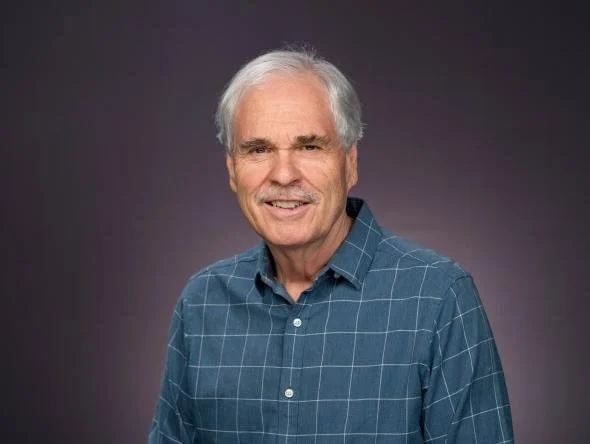
As I think about everything my dad taught me—through his words, his example, and his faith—I’m reminded that he lived with his eyes fixed on what’s eternal. He trusted God completely, even in weakness, and that trust gave him peace. His life reflected the kind of faith that doesn’t just talk about God, but truly believes Him.
That’s what I want to carry forward because the same God who gave my dad strength, peace, and hope offers that same comfort to all of us. We may still grieve, and we should, but not as those without hope. We look forward to the day when, in what will feel like a moment to them, we’ll see our loved ones again—awake, renewed, and whole in the Kingdom of God.
I remember my dad telling me in the hospital that if God allowed him to live, he wanted to keep serving. But if God decided his time was finished, he felt he had used his time well—that he had done the work God called him to do. I think that’s why he could be so calm at the end. His peace came from knowing he had fulfilled his purpose, and that he had done it faithfully. He never shied away from speaking God’s truth boldly, even when it wasn’t easy or popular. Many of you told him how much you appreciated hearing that again, messages that weren’t watered down, but spoken with conviction and love. That’s a powerful reminder for all of us—to stay faithful, to speak truth courageously, and to use our time well. As my dad said in his final sermon in this physical life, we never know when our time will come—whether it’s through the years we have now or at Christ’s return. So, we should always make the most of the time God has given each of us, living in a way that, when our moment comes, we can say with confidence, just like my dad, that we’ve accomplished the work God called us to do.
A Final Message from
Rick Shabi
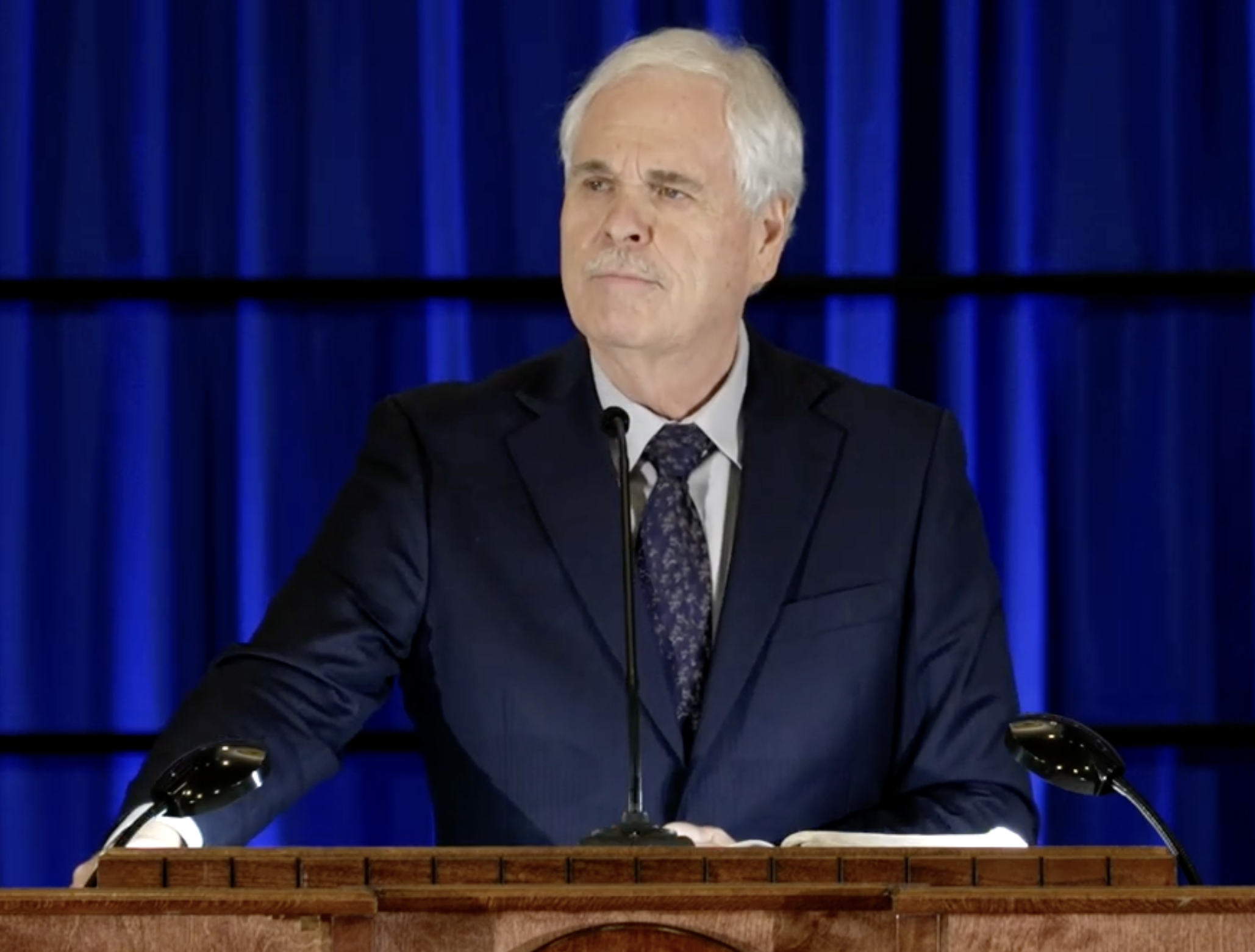
I’ll close with one last thought. It took me a long time before I could go back and watch my dad’s sermons. Hearing his voice and seeing him again—it was just too hard. But recently, I’ve started watching them again: his first sermon as President, “Living Stones”; his last as President, “The Way”; and the final sermon he ever gave in this physical life, “End Time Readiness: Loving the Truth and the Spirit of Discernment.”
As I rewatched them, specific threads stood out across all three, tying them all together: agape love, spiritual discernment, hope, and developing a deep sense of urgency. It is fitting that his first, last, and final sermons form a complete picture: “Living Stones” laid the foundation—becoming part of God’s spiritual Temple; “The Way” reminded us to walk as Christ walked; and “End Time Readiness” brought it all together—to hold fast to the truth and to be prepared for what lies ahead.
I see these messages as coming to us as a warning and a wake-up call, as they clearly map out the essential actions and commitment required to walk the path of salvation.
Those were just three of his sermons, but there are so many more that continue to teach, encourage, and strengthen us—along with his Biblical Worldview messages, which he loved to do and poured his heart into. If one of his sermons or Biblical Worldview messages had a personal impact on you, or helped you see God’s truth more clearly, I hope you’ll share it on the memorial board.
I believe God used those messages to prepare us for a time when my dad would no longer be here. As I’ve reflected on that, I’ve thought deeply about what final message my dad would want to leave with all of us if he were here today.
I came across it in a sermon he gave a few years ago during the Feast of Tabernacles. When I heard it again, I knew instantly—this is exactly what he’d want you to hear. These are the words that best capture who he was, what he believed, and what he hoped for all of us until the moment we see him again.
If you haven't yet watched it, I have placed this video tribute at the very top of this page. Rather than my saying anything more, I invite you to scroll back up and let him speak for himself…
From: Patrick Shabi