What Is Agape Love?
ABOUT THIS SERMON
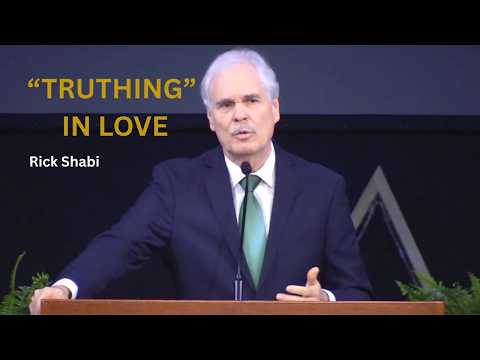
The English language uses one single word—"love"—to describe everything from casual preferences and deep friendships to romantic attraction and devotion to God. However, Koine Greek used distinct terms: storge (family affection), philia (brotherly friendship), eros (romantic attraction), and agape. While natural human affection can fail, break down, or depend on self-interest, true biblical agape is an intentional, unselfish choice enabled solely through God's Holy Spirit.
Drawing from John 13, 1 John 4, and 1 Corinthians 13, this sermon reveals that agape is not merely an emotion—it is a lifelong goal perfected through obedience, self-sacrifice, and yielding to God's truth. From Christ's new commandment to the Good Samaritan's selfless mercy, discover how agape serves as the ultimate mark of true discipleship and spiritual unity.
In this video, you will explore:
• Sanctified by Truth: How God sets His Church apart through truth and unity (John 17 & Ephesians 4).
• The Four Greek Words for Love: Understanding the critical distinctions between storge, philia, eros, and agape.
• John 21 Unpacked: Why Jesus asked Peter, "Do you agape Me?" and Peter responded with philia.
• God Is Agape: How agape is perfected in believers over a lifetime of obedience (1 John 4 & John 14).
• Agape in Action: Loving your enemies, overcoming fear, and reflecting the Good Samaritan's selfless care (Luke 10 & Matthew 5).
"A new commandment I give to you, that you love one another; as I have loved you, that you also love one another. By this all will know that you are My disciples." — John 13:34–35
---------------------------------------------------
KEY SCRIPTURES DISCUSSED
• John 17:17–23 — "Sanctify them by Your truth. Your word is truth"
• Ephesians 4:11–16 — Speaking and living the truth in love
• John 13:34–35 — Christ's new commandment to love (*agape*) one another
• John 21:15–17 — Jesus examining Peter's love (*agape* vs. philia)
• 2 Peter 1:5–8 — Adding virtue, knowledge, brotherly kindness, and agape
• 1 John 4:7–21 — God is agape, and perfect agape casts out fear
• John 14:23 & 15:7–10 — Abiding in Christ's love by keeping His commandments
• Luke 10:25–37 — The Good Samaritan as a model of unselfish agape • Matthew 5:43–48 — "Agape your enemies, bless those who curse you"
• 1 Corinthians 13:1–13 — The characteristics of agape that never fails
---------------------------------------------------
CHAPTERS / TIMESTAMPS
0:00 - Introduction & Sanctified by Truth (John 17)
06:14 - Ephesians 4: Living the Truth in Love
10:37 - John 13: A New Commandment to Love One Another 13:28 - Four Definitions: Storge, Philia, Eros, & Agape
21:04 - The Human Limits of Storge, Philia, and Eros
29:36 - John 21: Jesus Asks Peter "Do You Agape Me?"
33:20 - 2 Peter 1 & Titus 2: Developing Agape Over a Lifetime 39:30 - What Is Agape? God Is Agape (1 John 4)
44:18 - John 14 & 15: Keeping His Commandments & Abiding in His Love
50:44 - Perfect Agape Casts Out Fear (1 John 4 & Hebrews 2/12)
57:33 - The Good Samaritan: An Example of Unselfish Agape (Luke 10)
1:03:46 - Agape Requires God's Holy Spirit (Acts 5 & 2 Timothy 1)
1:09:43 - Matthew 5: "Agape Your Enemies" 1:12:47 - 1 Corinthians 13: Agape Never Fails