

THE EIGHTH DAY
-
What It Is – The Eighth Day, also called The Last Great Day, is a separate and distinct holy day that follows the seven days of The Feast of Tabernacles (Leviticus 23:36). Though closely connected in timing, it represents the final step in God’s redemptive plan, looking beyond the Millennial reign of Christ to the ultimate fulfillment of God’s purpose for humanity.
A Distinct Celebration of Renewal – While The Feast of Tabernacles pictures Christ’s thousand-year reign, The Eighth Day looks beyond it — to a time when all who have ever lived will be resurrected and given the opportunity to know God. It reveals God’s perfect justice and mercy, offering salvation to all and symbolizing the completion of His plan for mankind.
Biblical and Spiritual Meaning – The number eight in Scripture signifies new beginnings and eternal life. Circumcision on the eighth day (Genesis 17:12) and the dedication of the Tabernacle after seven days of preparation both point to renewal and covenant relationship. Likewise, The Eighth Day symbolizes the ultimate renewal of creation and the beginning of eternal fellowship between God and His redeemed family.
Resurrection and Judgment – In Revelation 20:11–15, The Eighth Day corresponds to the Great White Throne Judgment, when the dead are raised and judged according to their works. This time reveals God’s fairness and mercy, granting every person the chance to know Him. When this judgment is complete, sin and death are eradicated forever — “Death and Hades were cast into the lake of fire” (Revelation 20:14).
God Dwelling with Humanity – The Eighth Day culminates in the vision of Revelation 21:1–4, where God the Father Himself comes to dwell — literally to “tabernacle” — with humanity. For the first time, both the Father and the Son live eternally with their redeemed family. This marks the completion of God’s plan, when sorrow, pain, and death are no more.
Spiritual Meaning for Believers Today – The Eighth Day celebrates the hope of final redemption, the end of sin and death, and the eternal unity of God and His people. It reminds believers of God’s desire “to bring many sons to glory” (Hebrews 2:10) and of His promise to make all things new. Far from being an ancient custom, it points to the ultimate renewal of creation and the everlasting joy of dwelling with God forever.
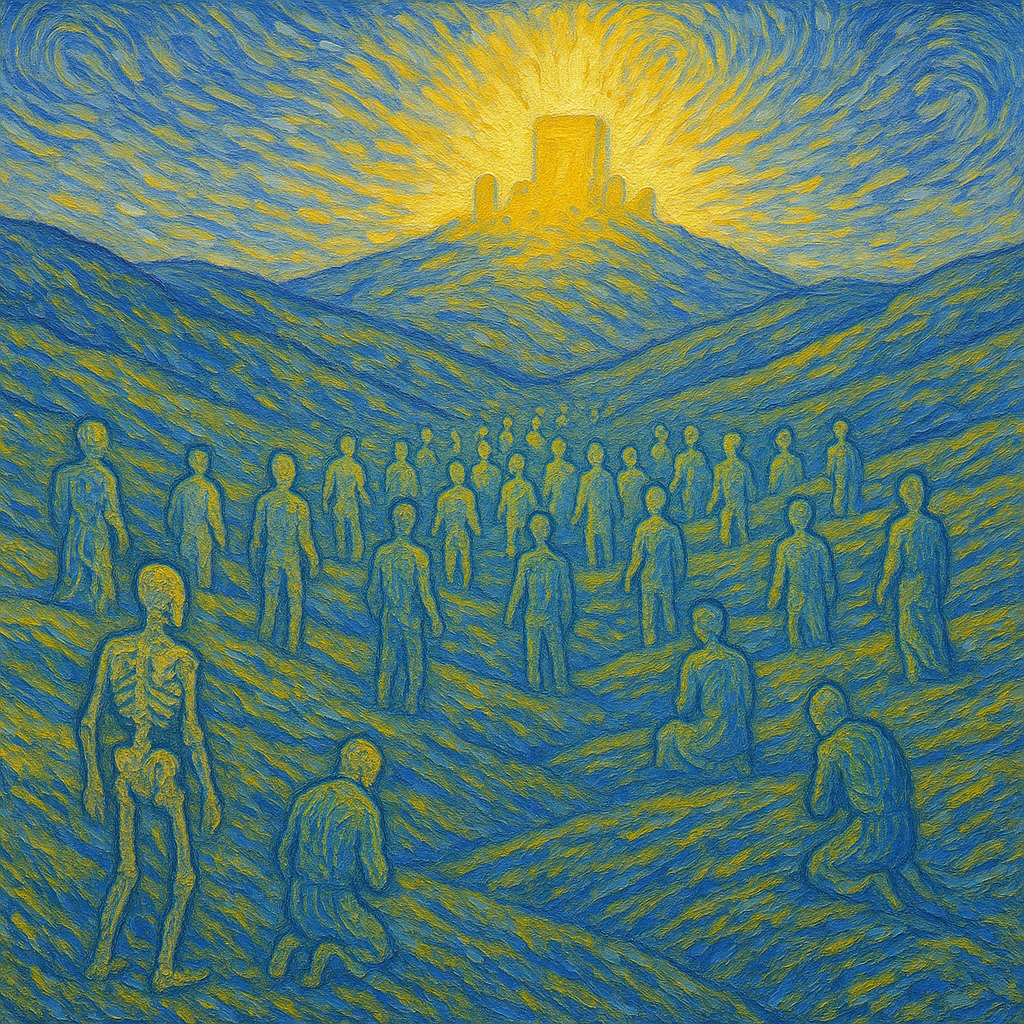
Just as Passover and the Days of Unleavened Bread are often perceived as one continuous celebration, a similar misconception occurs with The Feast of Tabernacles and The Eighth Day, also known as the LastGreat Day. Despite their close timing, The Eighth Day is a distinct holy day, separate from the Feast of Tabernacles, and holds profound and special significance as it symbolizes the final step in God’s redemptive plan for humanity.
While many Christians are either unfamiliar with The Eighth Day or dismiss it as merely a Jewish tradition or holy day, The Eighth Day uniquely reveals the culmination of God’s plan, emphasizing His justice, fairness, and mercy to all humanity. Unlike mainstream Christian teachings, The Eighth Day highlights God’s comprehensive plan for salvation, offering the hope of resurrection and the opportunity for eternal life to all who choose His way. Observing this day allows believers to reflect deeply on the hope it represents, the inclusivity of God’s Kingdom, and the final fulfillment of His redemptive work for humanity.
The Eighth Day, like the other holy days, is introduced in Leviticus 23:36, where it is described as a sacred assembly following the seven-day Feast of Tabernacles. However, unlike other holy days that often commemorate historical events or agricultural milestones in the Old Testament, The Eighth Day exclusively points toward the future, symbolizing the completion of God’s plan for humanity. It is a day of solemn reflection and rejoicing, distinct from the preceding Feasts and set apart as a unique celebration in God’s holy calendar.
The number eight holds profound symbolic meaning in the Bible, often representing new beginnings, renewal, and eternal life. For instance, circumcision, the sign of God’s covenant with Abraham, was performed on the eighth day (Genesis 17:12), signifying entry into a covenant relationship with God. Similarly, the Tabernacle was dedicated to God on the eighth day following seven days of preparation, a concept mirrored by the preceding Feast of Tabernacles. The Eighth Day, or Last Great Day, therefore, encapsulates the ultimate renewal of creation and the establishment of an eternal relationship between God and all humanity. This holy day reminds believers of God’s promise to complete His redemptive work, offering hope and assurance of a future where His presence and Kingdom are fully realized.
The deeper significance of The Eighth Day becomes evident in the New Testament, where it is closely tied to themes of resurrection, judgment, and the ultimate fulfillment of God’s redemptive plan. In Revelation 20:11-15, the apostle John describes the Great White Throne Judgment, where all the dead are resurrected and judged according to their deeds. This pivotal event occurs after Christ’s millennial reign, symbolizing the final phase of God’s plan for humanity. The Eighth Day represents this monumental resurrection and judgment, offering those who have never had the opportunity to know God the chance to learn His ways and choose salvation. This period underscores God’s perfect justice and mercy, granting all humanity the opportunity to be reconciled to Him.
Following this judgement, the Bible makes clear that sin and its influence will be entirely eradicated from God’s renewed creation. Revelation 20:11-15 reveals that those whose names are not found in the Book of Life are cast into the lake of fire, along with Death and Hades, symbolizing the second death. Earlier, Satan—the original instigator of sin—is also thrown into the lake of fire (Revelation 20:10). With the removal of Satan and unrepentant sinners, no source will remain to perpetuate sin. This is further supported in the description of the New Jerusalem in Revelation, which states,
“But there shall by no means enter it anything that defiles, or causes an abomination or a lie.” (Revelation 21:27)
Additionally, Revelation 22:3 declares, “And there shall be no more curse,” referring to the curse introduced by sin in Genesis 3:17–19.
For the first time since the fall of man, sin and its curse will no longer exist in any form. The wages of sin is death (Romans 6:23); and with death itself cast into the lake of fire, the very evidence of sin’s existence will vanish forever. Freed from corruption, creation will at last reflect the perfect righteousness and eternal life that God intended from the beginning.
The connection between The Eighth Day and resurrection is also highlighted in John 7:37-39, where Jesus stood on the final day of the Feast of Tabernacles and declared,
“If anyone thirsts, let him come to Me and drink. Whoever believes in Me, as the Scripture has said, ‘Out of his heart will flow rivers of living water.’”
John clarifies that Jesus was referring to the Holy Spirit, which would later be given to believers. This powerful declaration on the final day of the Feast of Tabernacles connects to The Eighth Day. It prophesied that God’s Spirit would be poured out on all flesh (Joel 2:28-29), enabling all humanity to come to a saving knowledge of God. The imagery of living water reflects the ultimate fulfillment of God’s plan: a time when spiritual thirst will be quenched, and humanity will dwell in perfect harmony with God.
The prophetic significance of The Eighth Day reaches far beyond resurrection and judgment—it points to the ultimate fulfillment of God’s plan: the creation of a new heaven and a new earth. In Revelation 21:1–4, John describes a breathtaking vision of the New Jerusalem, where God the Father Himself will finally come down to dwell— literally to “tabernacle”—with humanity. No longer will His presence be mediated solely through Jesus Christ; rather, both the Father and the Son will dwell together with their redeemed people.
“Behold, the tabernacle of God is with men, and He will dwell with them, and they shall be His people, and God Himself will be with them and be their God.” This marks the first time the Father personally dwells with His spiritual family, completing His divine purpose to live among His children forever.
“He will wipe away every tear from their eyes, and death shall be no more; neither shall there be mourning, nor crying, nor pain anymore, for the former things have passed away.”
The Eighth Day thus represents this final renewal — when sin and death are completely eradicated, the curse is lifted, and God’s Kingdom is fully established as both the Father and Christ share their eternal presence with humanity. Jesus Christ Himself alluded to this ultimate relationship in John:
“This is eternal life, that they may know You, the only true God, and Jesus Christ whom You have sent.” (John 17:3)
The Eighth Day celebrates the culmination of God’s redemptive plan and the dawn of a new chapter in His relationship with humanity. The apostle Paul captures this transition in 1 Corinthians 15:24–28, where he explains:
“Then comes the end, when He [Christ] delivers the Kingdom to the Father after destroying every rule and every authority and power. For He must reign until He has put all enemies under His feet. The last enemy to be destroyed is death.” When all things are finally subdued under Christ’s authority, He will deliver the perfected Kingdom to the Father, “that God may be all in all.”
John’s vision in Revelation harmonizes perfectly with Paul’s words. In Revelation 20:14, John records, “Then Death and Hades were cast into the lake of fire,” signifying the complete and final defeat of death. At that moment, all things are placed under Christ’s dominion and then presented to the Father. Finally, as Revelation 21:3 declares, “God Himself will be with them and be their God,” revealing the eternal union between God and humanity—a relationship perfected in love, peace, and everlasting life.
The Eighth Day celebrates this ultimate renewal, the final victory over sin and death, and the beginning of an everlasting relationship with God. It encapsulates the hope, promise, and fulfillment of God’s redemptive plan.
The Eighth Day stands as the crowning jewel of God’s redemptive plan, symbolizing the fulfillment of His purpose to bring salvation to all humanity and restore creation to its intended glory. Far from being an outdated Jewish holy day, The Eighth Day encapsulates the culmination of the profound themes woven throughout God’s holy days: redemption through the Passover; sanctification through The Days of Unleavened Bread; empowerment through the giving of the Holy Spirit at Pentecost; judgment through the Feast of Trumpets; atonement through the Day of Atonement; and restoration and joy through The Feast of Tabernacles. The Eighth Day unites these elements, pointing to the final realization of God’s eternal plan— a state of everlasting peace and joy where all of creation will dwell in harmony with its Creator.
No other religion offers a concept as extraordinary as The Eighth Day — a divine symbol of fairness, justice, and opportunity, extending God’s invitation to every human being to become part of His family and the chance to inherit eternal life. Unlike the man-made holidays most Christians observe, which often lack spiritual depth and divine mandate, God’s holy days — including The Eighth Day — are commanded by God and are rich with meaning. They not only provide believers with an opportunity to reflect on God’s redemptive plan, but also invites them to actively participate in it, rehearsing the steps of salvation and transformation year after year.
The Eighth Day (and all the other Feasts of God) is more than just a celebration; it is a profound declaration of God’s justice, mercy, and love, offering a hope that no other faith or philosophy can match. The Eighth Day points to the ultimate fulfillment of God’s promise to “bring many sons to glory” (Hebrews 2:10) and to establish His eternal Kingdom where righteousness and peace will reign.
As followers of Christ, we are called not to dismiss these holy days, but to embrace them as a living expression of our faith and a reminder of the glorious future that awaits all who choose God’s way. The Eighth Day is not merely a commandment—it is an unparalleled gift, an invitation to rejoice in the boundless hope of God’s eternal plan.